Somalia, Sweden hold talks amid controversy over alleged forced return of asylum seekers
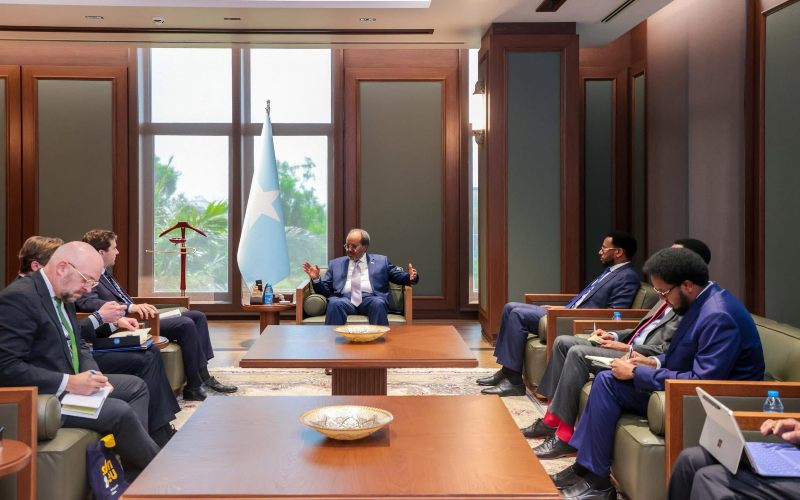
Somali President Hassan Sheikh Mohamud met a Swedish delegation in Mogadishu to discuss trade, institutional support and development aid, as Sweden faces growing debate over deportations of Somali nationals.
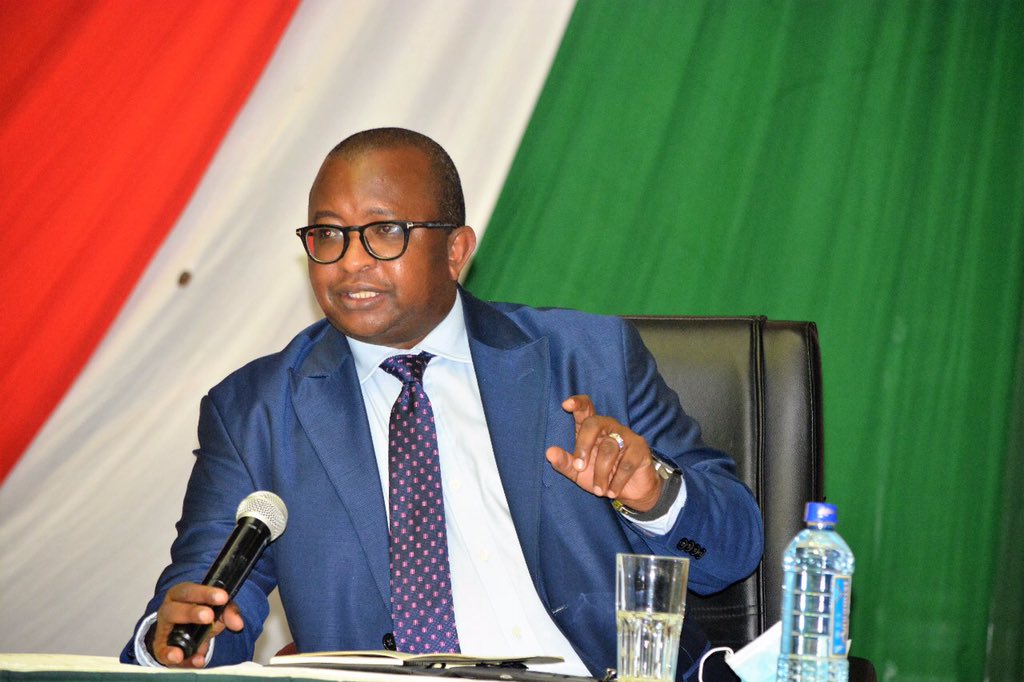
Somali President Hassan Sheikh Mohamud on Tuesday hosted a Swedish delegation for talks on trade and support for state institutions, against the backdrop of controversy over the alleged forced return of Somali asylum seekers.
The closed-door meeting, which took place at the Villa Somalia Presidential Palace in Mogadishu, brought together President Hassan and a delegation led by Swedish Minister for International Development Cooperation and Foreign Trade, Benjamin Dousa.
More To Read
- Somalia, Turkey’s OYAK sign deal to develop fisheries and maritime sector
- Somali universities warn against security agency’s interference on campuses
- Somali parties say electoral body ignored concerns on December 25 Mogadishu polls
- UN Security Council extends sanctions oversight on Al-Shabaab
- Kenya, Sweden partner to curb billions lost in post-harvest food waste
- AfDB grants full debt relief to Somalia after decades of economic turmoil
In a statement issued after the meeting, the Office of the President said the discussions covered the relationship between Somalia and Sweden, including ways to strengthen cooperation in trade and the capacity of government institutions at the federal level and within the broader state structure.
“The president of the republic and the minister discussed the bilateral relationship between Somalia and Sweden and ways to further strengthen it, particularly in the areas of the economy, trade and enhancing the capacity of state institutions,” the statement said.
During the talks, members of the Swedish delegation said the Scandinavian nation is keen to expand its role in efforts that support peace and stability in Somalia, including programs aimed at rebuilding institutions that have been weakened by years of conflict and political disruption.
Swedish representatives also noted that support for government structures and public services remains crucial to Stockholm’s engagement with Mogadishu, and that cooperation is intended to benefit the Somali population through projects implemented with national authorities and international partners.
Dousa and members of his delegation assured Sweden’s support for the Somali government and its people through development cooperation, humanitarian assistance, and institutional support, according to officials briefed on the meeting.
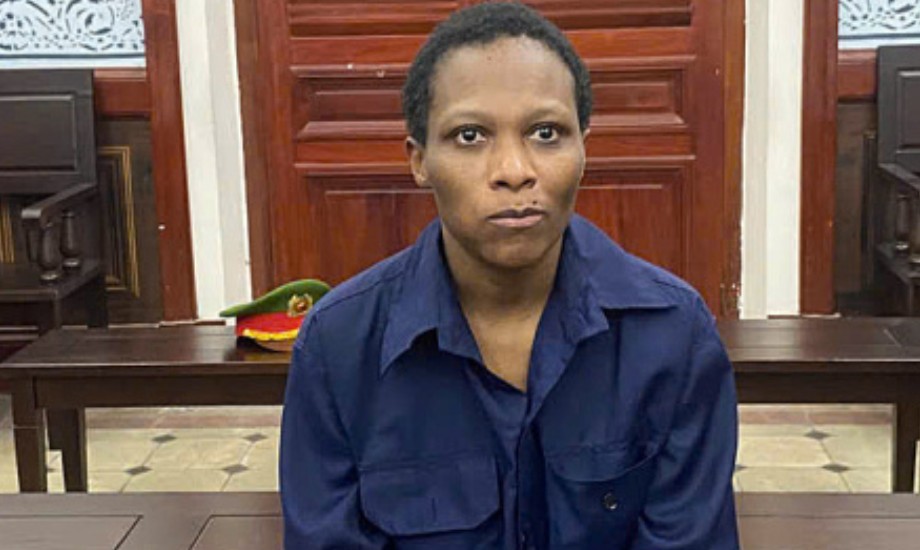
The visit took place at a time when debate in Sweden has increased over the return of Somali nationals whose asylum applications have been rejected by Swedish authorities, an issue that has drawn attention from political parties, media outlets, and civil society groups inside Sweden.
Earlier in the week, Sweden’s migration minister, Johan Forssell, said the government would continue to carry out deportations under return arrangements with Somalia, despite criticism from opposition politicians and public discourse in Stockholm over the policy.
Figures released by Swedish authorities show that Somalia had received 25 deportees by November, including 14 people who were returned after criminal convictions, while police data show that the number of forced returns of Somali nationals has increased over recent years.
According to the data, six cases of forced return were recorded in 2021, while the figure rose to 29 cases in 2023, reflecting a rise in enforcement actions by Swedish migration and police authorities.
The deportation policy has generated controversy in Sweden, with opposition parties and media reports questioning whether development assistance was used to support the return process, an allegation denied by the Swedish government.
Top Stories Today